 Canada
  United Kingdom
  United States

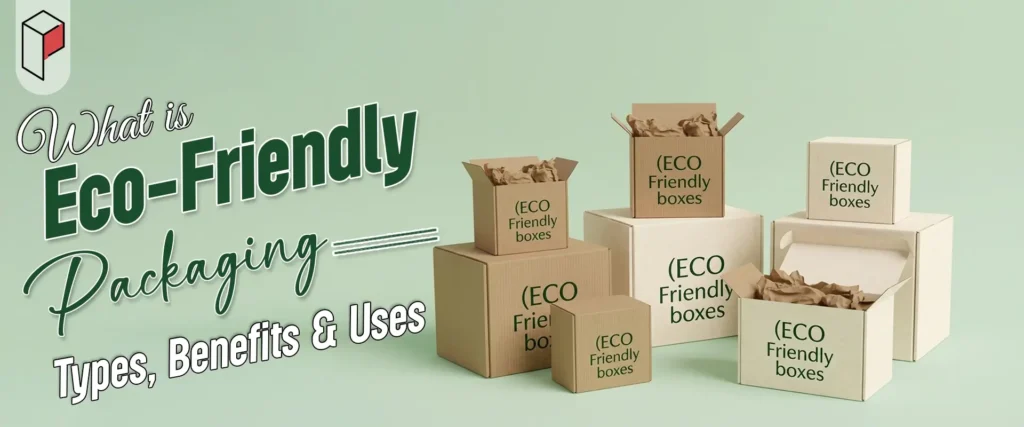
What Is Eco-Friendly Packaging? Types, Benefits & Uses
Eco-friendly packaging means environmentally friendly packaging that is designed with minimal negative impact on the environment. The material of this packaging is recyclable and reusable. Most of the brands and companies are using environmentally friendly packaging. It helps them as well as the environment to reduce pollution. Here you will get the detailed answer to what eco-friendly packaging is and why businesses should prefer this method.
Why is Eco-friendly packaging important for all businesses?
Eco-friendly packaging is important for all businesses. The reason for these custom boxes is because it lowers environmental impact. However, it improves brand reputation and reduces long-term operational costs.
Key benefits of Recyclable Packaging
- It reduces the carbon footprint by using less energy. Besides, to produce fewer greenhouse gas emissions than conventional.
- Biodegradable packaging minimizes landfill and ocean waste. Ultimately reducing the global crisis of plastic pollution.
- Eco-conscious brands prefer this packaging. Using green packaging builds trust and improves brand image.
- It saves money on logistics due to the right size option.
Many regions globally are setting laws to phase out plastics one time for waste management. But adopting green solutions helps businesses stay ahead of legal restrictions and access new markets.
Does Nature-Friendly Packaging Impact Business?
Yes but in a positive way. This retail packaging leaves a positive impact on customers. It cuts operational expenses as well as strengthens the brand reputation. Its brown color attracts modern consumers.
Cost Reductions and Efficiency
- It reduces shipping fees
- It decreases waste disposal
- Long-term material savings
Brand Reputation and Loyalty
- Eco conscious buyers prefer companies that match their personal values. This packaging builds stronger consumer trust.
- You can lead with green credentials compared to competitors that are still using single-use plastics.
- Visible sustainability efforts create organic marketing and boost positive public relations.
Regulatory and Market Access
Adopting green standards helps overcome compliance laws and environmental rules.
New business partnership opportunities for an eco-friendly supply chain.
Types of packaging eco friendly
Eco-friendly packaging processes can vary by material. Green materials reduce waste and lower environmental harm through recycling as well as biodegradability and reusability.
1. Biodegradable Packaging
Boxes with Kraft material are used to reduce waste. The components of biodegradable packaging consist of:
- Cornstarch-based plastics
- Sugarcane fiber bagasse
- Mushroom packaging
These materials are perfect for food packaging and other hygiene products where environmental impact and scrapping are important considerations.
2. Recyclable Packaging
Options for recyclable packaging are composed of materials that can be used to create new goods. These are:
- Cardboard and paperboard
- Certain plastics [PET, HDPE]
- Aluminum and tin
- Glass containers
With recyclable packaging materials, businesses can reduce waste and promote circular economy efforts by keeping beneficial resources in service longer. Cardboard boxes are also recyclable for next-time use.
3. Reusable Packaging
Reusable packaging has the feature of being used multiple times before recycling or scrapping. This includes:
- Glass jars and metal tins
- Fabric tote bags and cloth wraps
- Refillable pouches or dispensers
- Durable mailing boxes and containers
Brands can considerably minimize single-use packaging waste with this packaging method. They can enable deeper customer attention through loyalty and sustainability programs. This is likewise an effective method to examine how to make packaging more sustainable.
4. Compostable Packaging
Compostable packaging goes a step further than biodegradable corrugated packaging. This method breaks down waste into natural elements in a composting environment. It typically breaks down within a defined timeframe, rather than requiring recycling. Materials include:
- PLA (plant-based polylactic acid)
- Kraft paper with compostable coatings
- Compostable mailers and utensils
This packaging method is especially convincing for brands that want to reduce landfill contributions. This method appeals to highly eco-conscious consumers.
5. Post-Consumer Recycled (PCR) Packaging
PCR packaging is produced from materials that consumers have already used and recycled. These materials are collected from all sources to be processed and remanufactured into new packaging. Often plastics or paperboard. Using PCR content:
- Helps divert waste from landfills
- Lowers demand for virgin raw materials
- Decreases energy and emissions in manufacturing
This is a practical and scalable alternative packaging method for companies looking to reduce their environmental footprint. Also, it is a prominent example of what makes packaging recyclable. With the help of this method, companies can reduce their environmental footprint without overhauling existing packaging systems.
Choosing the Right Eco-Friendly Packaging
You need to observe a few things before choosing the packaging type. It depends on your product type as well as customer expectations. You must include budget and sustainability goals.
The most effective technique is to merge different viable packaging types into a strategy that meets both environmental and operational needs.
Benefits of environmentally friendly packaging
This packaging is beneficial for both businesses as well as the environment. It reduces the carbon footprint of a brand and, at the same time,e reduces pollution.
Environmental Benefits
- Eco-friendly packaging can quickly break down and be recycled compared to plastics, which create less landfill waste.
- The recycling process requires less energy to make packaging again,which reduces greenhouse gas emissions.
- Green packaging avoids harmful synthetic chemicals that are not toxic for human health.
- Environmental food packaging requires less energy in production, which ultimately creates less pollution in the environment.
With respect to the environmental benefits,recyclable packaging has business benefits as well. So, businesses can take advantage of lower shipping and production costs, market advantage and better brand image recognition.
How can businesses start eco-friendly packaging?
All types of businesses can start packaging by auditing their current materials and switching them to sustainable alternatives.
Steps to Follow for Eco-Friendly Packaging:
- Take apart your existing packages to see what materials you use. How much waste do they create?
- Replace traditional plastics with biodegradable solutions. For example, recycled cardboard as well as cornstarch packing or plant-based mailers.
- Match your box sizes with your products to eliminate space and reduce filler material and ultimately lower shipping costs.
- Avoid heavy plastic coatings as well as metallic foils that ruin recyclability. Use water-activated paper tape as well as soy-based inks and simple stamps instead.
- Work with vendors certified by groups like the Forest Stewardship Council [FSC] to verify your materials are responsibly sourced.
- Add clear recycling or composting instructions on your packages. In fact, use QR codes to explain how to properly dispose of and reuse the wrap. To explore customized options for your specific product line, use Kraft boxes.
Final Thoughts
Eco-friendly packaging helps both businesses and the environment. But if you are still thinking about how complicated packaging is, Packprints will help you completely. The main goal of our company is to provide sustainable packaging that helps both businesses and the environment. Hopefully, you get the answer to what eco-friendly packaging is. I tried to explain all aspects, including materials and methods of packaging that help businesses and the environment.