 Canada
  United Kingdom
  United States

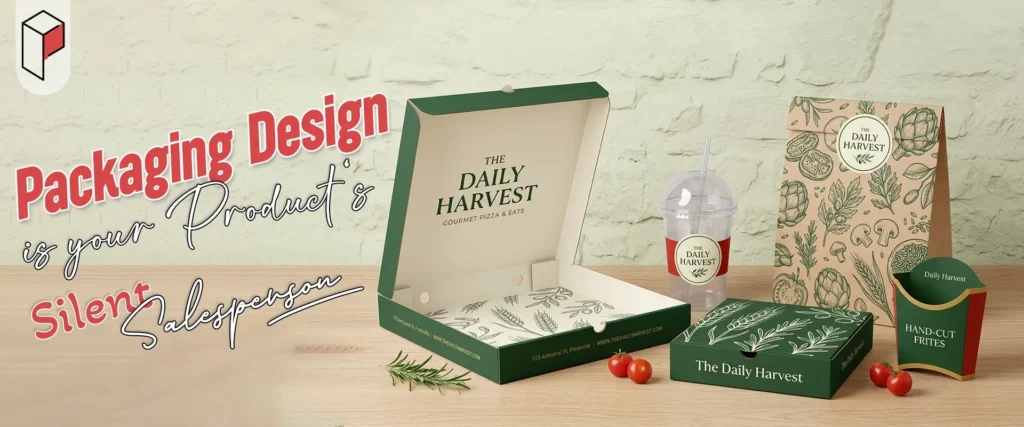
Packaging Design is Your Product’s Silent Salesperson
You don’t remember reading the label. You just remember reaching for the box. Two candles, same price, same smell and same wax inside. But people pick up one of them first, almost every time. Nobody asks why. They just do it. That’s packaging doing its job. Quietly. Before a customer reads a word about your product. Just think about it. A box is the first thing a stranger touches. Before they hand you their money. In a few seconds, it decides something. Cheap, or special. That happens way before anyone checks the price or reads what’s inside.
And here’s the thing. Then just minutes on the box. That’s a missed chance. Because custom packaging isn’t decoration. It’s your product’s first pitch, and it either lands or it doesn’t. This guide keeps it simple. We’ll talk about what to think about before you start designing. The steps that actually matter. Packaging that keeps your product safe. And still makes people want to pick it up.
Know Your Product, Audience, and Sales Channel First
Stop for a second. Don’t open Canva yet. Don’t call your printer yet either. Ask yourself three things first. What’s the product actually like? Who’s buying it? Where do they buy it from? Get these answers wrong, and you’ll redesign in a month. Happens more than you’d think. Most people jump straight to the aesthetics like the colors, the fonts, and the logo. It feels like progress, but it isn’t. Not yet. Once you actually know your product and your buyer, the rest starts falling into place on its own.
Know Your Product
Every product has needs before it has a design. Fragile items crack in weak boxes. Odd shapes waste space or don’t fit. Skip this step, and you’ll spend money fixing damaged shipments later instead of selling more.
- Check if it’s fragile
- Note the exact shape
- Decide if it needs sealing
- Think about weight and size
Know Your Buyer
A design that works for one buyer can totally miss another. Age changes what feels right. So does taste. So do habits. Guess wrong here, and your packaging talks to nobody, even if it looks great on your desk.
- Picture their age group
- Notice their visual taste
- Think about their values
- Consider their price comfort
Know Your Channel
Retail and online aren’t the same fight. One needs to grab attention fast. The other needs to protect the product and impress after delivery. Mixing these up wastes both your budget and your design effort.
- Shelf needs fast attention
- Online needs safe delivery
- Unboxing should feel special
- Labels must read from far
Know Your Brand
Packaging that doesn’t match your brand confuses buyers. Even the loyal ones. Your colors, fonts, and tone should feel the same everywhere. Random design choices might look nice. But over time, they weaken trust.
- Keep colors consistent everywhere
- Match your website’s tone
- Use approved fonts only
- Stay recognizable across products
Skip This Step, and Your Design Will Cost You Twice
Ever built something, then stopped halfway? A piece missing. Nothing fits right after that. The same thing happens with packaging. Jump in without prepping, and you hit that wall fast. Four things need to be ready. Not perfect, just ready. Start with your brand basics. Your logo file, your exact colors, your fonts. Sounds obvious, right? But most people show up with a blurry logo pulled off Instagram and wonder why it looks pixelated on the box.
Then there’s the content nobody thinks about until it’s missing. Your product description, sure. But also barcodes, ingredient lists, batch numbers. Some of this stuff isn’t optional. Miss it, and your packaging doesn’t just look bad, it might not even be legal to sell. Style comes next. Not final decisions, just direction. Save what catches your eye. A box you liked at a store.A color combo from a competitor. This isn’t about copying them. It’s about knowing what you like before you sit down to design.
And last, the part everyone avoids. Budget. Not just “how much can I spend total,” but what’s a one-time cost versus what you’ll pay per unit, every single time you produce a batch. Skip this, and you might fall in love with a finish you can’t actually afford once you scale.
What Actually Goes Into Designing Packaging People Love
Not sketches anymore. This is your product packaging in its final form, the real boxes that get printed and folded. They end up on a shelf, in a mailbox, or straight in someone’s hands within days. This is the stage where every earlier choice, structure, colors, message, actually gets tested against reality. Get it right, and it just works. No reprints. No surprises once it’s out there.
- Decide what each layer protects, shows, or holds
- Study competitors before picking colors and fonts
- Lead with one message, let details support it
- Make sure it opens easily, not just looks nice
- Print a mockup and test it in real conditions
- Show it to someone new and ask what they see
- Confirm dielines, bleed, and color codes before printing
Small Details That Make People Trust Your Packaging
Some of this seems minor. It’s not. These are the calls that decide if your packaging looks homemade or looks like a real brand. Keep the message simple. One thing. Said clearly. That beats five things fighting for space. Nobody reads a cluttered box twice.
Stay consistent with your brand. Same colors withSame tone. Same feeling.If they don’t match, people notice. Even if they can’t say why. The material matters too, not just the design. Recyclable or reusable packaging isn’t a trend anymore. A lot of buyers check for it before they even check the price.
Make the unboxing feel like something. A sticker seal, a small thank-you note, tissue paper in your brand colors. Small touches, but they’re the reason people post about your product online. And avoid the basics that trip people up. Blurry images. Missing barcodes. Colors that looked perfect on screen and completely different once printed. These mistakes are avoidable, and they’re the ones that cost the most to fix later.
Final Thoughts
Packaging isn’t the last step before launch. It’s part of the pitch. Every color matters. Every texture matters. Small details build trust. Or they quietly chip away at it. You won’t get it perfect on the first try. Nobody does. Start with what you know. Your product. Your buyer. Where they shop. The rest follows from there. Test before you print a big batch. Show it to someone with fresh eyes. Fix what doesn’t work. Or let a team that does this daily handle it for you, that’s exactly what PackPrints is built for. Packaging is the one part of your brand people actually hold. Give it the attention it deserves.